
June is Pollinator Month
Posted by Jessie Jacobson on May 31st 2026
June is Pollinator Month
Happy Pride & Pollinator Month!
The time is now to plant plants for pollinators. Tonkadale is overflowing with summer color to attract your favorite pollinator friends to the garden all season long.
The National Wildlife Federation started National Pollinator Month in June 2007 to raise awareness of the importance of pollinators and to encourage people to add pollinator-friendly plants to their landscapes. It has since grown into an international celebration that brings communities together to promote the valuable ecosystem services provided by pollinators like bees, birds, butterflies, bats, beetles, moths, wasps, and flies.
What is pollination?
Pollination is a vital ecological process that involves the transfer of pollen between flowers. A garden that is beneficial to pollinators in all life stages of life helps to sustain populations and provides numerous benefits to both humans and the natural environment around us.
Bees
When we think of pollinators, bees likely come to mind first! Honeybees specifically pollinate 80% of the world's flowering plants. A single honeybee can pollinate up to 5,000 flowers per day, and 75% of our food crops are pollinated by bees. Minnesota is home to over 500 species of native bees including 23 species of native bumblebees. Bees feed on pollen for protein, and nectar for carbohydrates. Bees visit a wide variety of flower shapes depending on their species, and are attracted to bright white, yellow, and blue.
Check out these perennials that bees love:
Hummingbirds
Hummingbirds are responsible for supporting 8,000 species of native plants across North and South America. Hummingbirds must drink most of their body weight in nectar (the sugary substance secreted by plants to attract pollinators) each day. In exchange for energy rich nectar, hummingbirds spread pollen to each plant they visit. Hummingbirds are attracted to tubular flowers because their long tongues and bills allow them to easily access the nectar inside. They love bright colors, especially red!
Plant these perennials to catch their eye:
Butterflies
When butterflies land on flowers to drink nectar, pollen sticks to their bodies, legs, and proboscis. Butterflies generally only feed on nectar and do not typically seek pollen. Butterflies require host plants to support the larval stage of growth - caterpillars! Larval host plants can be specific to each species. We all know and love the Monarch butterfly whose larvae exclusively feed on milkweed. An abundance of butterflies is an indication of a healthy ecosystem. Butterflies must land to feed, so they prefer flattened flowers or tubular flowers in large clusters.
Try out these butterfly favorites:
- Asclepias incarnata (Swamp Milkweed)
- Rudbeckia (Black Eyed Susan)
- Achillea (Yarrow)
- Eutrochium (Joe Pye Weed)
- Phlox (Garden Phlox)
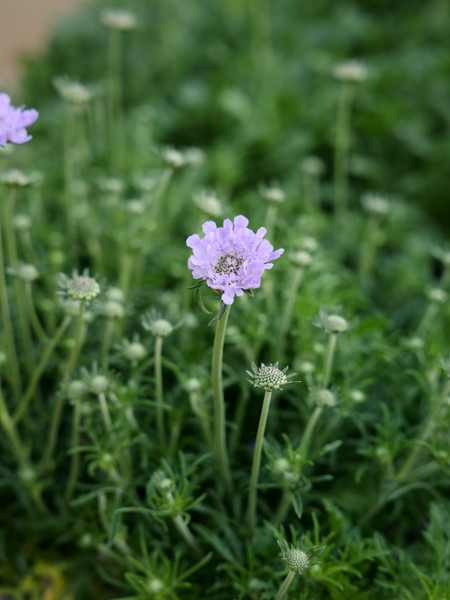
- Scabiosa (Pincushion Flower)
Goals
When planting a pollinator garden, plan to have at least three flowers blooming at a time throughout the season and even into fall. Eliminate the use of pesticides. Plant native plants when possible. Choose plants with varied flower shapes and plant in multiples. It's easier for pollinators to locate a large grouping of plants. Most importantly, plant plants!
Other Resources
To read more about pollinators, check out these blogs!
If you would like assistance picking out plants for pollinators, feel free to stop in and ask! Otherwise, email us at hello@tonkadale.com - we're here to help!