
Winter Seed Sowing
Posted by Sheri Salargo on Feb 16th 2026
Winter Seed Sowing
It’s still cold outside, but all we can think about is our gardens and planning the beautiful new plants to come! If you are interested in sowing your own seeds but don’t have the space or want to buy the seed trays, lights and heat mats needed for starting seeds indoors - try winter sowing in milk jugs!
Supplies Needed
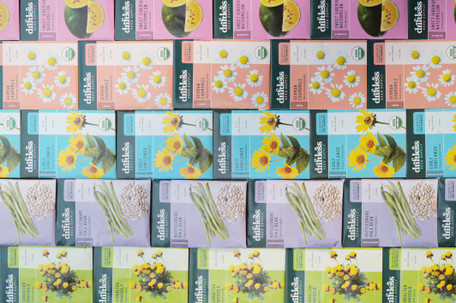
- Seed packets of your choice (see below for suggestions)*
- Recycled, cleaned plastic containers - milk gallon or half gallon jugs, water jugs, juice/tea bottles, two liter soda bottles - the key being that they are clear.
- You can do without their caps/lids, as the hole will allow for ventilation and moisture to get in. Plastic rotisserie chicken containers and taller takeout containers can work too.
- Good, regular potting soil. Our Tonka Terra is great for this!
- Water
- A sharp knife
- Labels and permanent marker
- Duct Tape
- Vermiculite (optional)
*Shop our selection of seeds and supplies online here! Otherwise, stop in-store to see our full selection.
Best seed candidates
-
Most zone specific perennials and natives - these are absolutely perfect candidates for winter sowing. In nature, these plants would need a period of cold stratification in order to germinate. If we were to start these indoors, we would need to give them time in a refrigerator/freezer for a few weeks before sowing them. A few that have done great for us are Milkweed, Bee Balm, Echinacea, Salvias, Foxgloves, and Lupines. January through February is a great time to start these.
-
Cold hardy annuals - these are those flowers that are good self-sowers, or are the first blooms in the Spring who go through their full growing cycle in one season. They thrive in cool conditions, and can survive light frosts and freezing temperatures. Some of them, such as Nasturtium, Sweet Peas and Lupines, have a hard outer shell on their seed and need to be scarified to soften it for germination. In this method, we don’t have to manually do it to each seed, it will happen naturally through the freeze/thaw period. Others that enjoy the cold period and won’t be bothered by a later frost are Snapdragons, Larkspur, Nigella, and Poppies. February through March is a great time to start these.
-
Half-hardy annuals - these are those single season flowers that can thrive in cold and damp conditions, but can’t be planted out until all danger of frost has passed. Some of our favorites are Marigolds, Cosmos and Scabiosa. March is a great time to start these.
-
Cool season veggies and herbs - Brassicas (Broccoli, Brussel Sprouts, etc.), root veggies (Beets, Carrots, Radishes, etc.) and leafy greens (Kales, Lettuces, Spinach) will do amazing with this method. Most herbs except Basil, Lemon Balm, and Rosemary can also be sown. March is a great time to start these.
Assembling your mini greenhouse
- Starting with a clean container, make several holes with your knife (a drill or hot glue gun to melt holes work as well) in the base for drainage. If you are using a vessel that doesn't have a cap that can be removed, be sure to add some holes in the top for ventilation and be prepared to do a bit more watering.
- Use your knife to cut the container almost into two pieces. When cutting a jug or bottle, you will want to leave a small portion on one side to act like a hinge. A great place to do this on the jugs is just under the handle. If you are using a takeout container or something with a large removable lid, you can skip this step.
- Add pre-moistened soil in the bottom half. You want it to be wet enough to hold together when squeezed, but still able to break apart.
- Sow your chosen seeds according to their package's directions. You can fit a good amount of seed in these, but be careful not to go too heavy. Some of those really small seeds can be tricky not to - we're looking at you Snapdragons and Poppies!
- If you have it on hand, add a thin layer of Vermiculite over the top. This can help to prevent or reduce algae growth.
- Give the top of your soil a spray of water to make sure the seeds are well moistened.
- Label your container inside with a staked label, as well as outside on the jug or tape. Trust us, if you don’t do this it's very easy to forget what is what!
- Close it up, and seal the side seam you cut into your container shut with duct tape.
- Place your containers in a spot where they will get sun and moisture from snow and rain. If possible, put them somewhere where they are protected from dogs or curious squirrels that could accidentally knock them over.
- Wait patiently for new growth! You will want to check on them now and again to make sure they aren’t drying out. If snow and rain have been low, you may need to manually add water through the hole with a spray bottle. If it has adequate moisture, you will see condensation inside and the container should have a bit of weight to it.
Getting established
As the temps begin to increase, the various seeds will germinate when it is right for them. We challenge you to *not* be going out daily, peeping through the holes to see what has sprouted!
Once you have good germination and daytime temperatures are consistently above freezing, it's a good idea to open up the containers and give your babies some air and ventilation. Air movement will help to establish good, strong roots. Just don’t forget to close the top back up at night if it is still getting cold.
Since these containers act like mini greenhouses, the temperature inside will be higher than the air temperature. On especially warm days, your seedlings could get overheated if left closed. They will also dry out more quickly - add water as needed to keep your seedlings moist.
Transplanting your seedlings
When is it ok to plant them out?
In general, when the plant is at least 2-4” tall or has 3-4 sets of leaves it is ready to go in the ground - as long as the conditions outside match its needs. Hardy plants can go in as soon as the soil can be worked, the rest will need to wait until there is no risk of frost. Here in Minnesota, that is generally around May 10th.
As always, we are obsessed with your success and are happy to answer your questions in-store if you need a bit of help. We hope you give this fun way of starting seeds a try. Happy growing!