
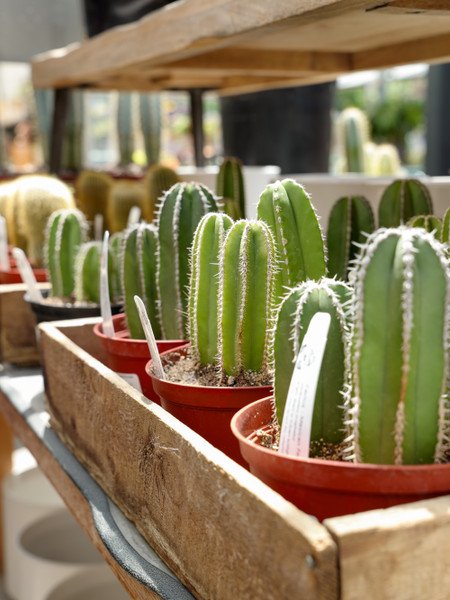
Tonka Terra Cactus Mix + Repotting Cacti
Posted by Betsy Dvorak & Sara Berg on Jun 7th 2026
Tonka Terra Cactus Mix + Repotting Cacti
Aloe? Can you hear me? Don’t give your cacti and succulents just any old potting soil!
These guys are desert dwellers at heart, and to help replicate their natural habitat they need a little more oomph in their mix. Our Garden Supplies Buyer Betsy spent the last year crafting up the perfect blend for cacti & succulents - and thus our Tonka Terra Cactus Mix was born!
Why this Mix?
One of the key building blocks for keeping healthy houseplants is choosing the right soil mix for the right plant. Cacti, euphorbia, and succulents have adapted to hold excess water to help them survive their arid climate.
Standard potting mixes hold on to moisture for far longer than our desert dwelling friends would care for. They need a gritty, chunky mix that can drain well and avoid compaction. Our new Tonka Terra Cactus Mix just hit the shelves and is a tested blend of ingredients to keep your cacti and succulents happy, right out of the bag.
Composition is Key!
Seeing the different ingredients and ratios in soil blends can be a bit dizzying, so here's how each of ours play a part in the mix:
Bark – Screened for uniformity, keeping the mix chunky and not too funky. Excellent for making sure soil doesn’t compact over time.
Pumice – The unsung hero of aerated soil. This lightweight volcanic rock is a serious heavyweight when it comes to keeping soil oxygenated and well-draining.
Perlite – Small but mighty, perlite is smaller than pumice. Perlite is volcanic glass that’s been heated until it expands. Added to soil, it lends lightness and texture to the mix.
Bark Fines – A little softness for your spiky friends, finely shredded bark fines hold everything together.
Worm Castings – Broken down organic matter (if you don’t know by now, it’s a fancy way of saying worm poo) that does wonders to gently feed your plants a balanced diet of trace minerals and micronutrients.
Prickly (Re)Potting
Now that you've got a good chunky soil mix on your side, here comes the prickly part - repotting these buggers.
Cactus are often grown in shallow containers because they have shallow root systems. Drain holes are non-negotiable, so if you’re planning on planting into a container without holes – don’t. Plant into a plastic grower's pot that can sit in your decorative container, or drill holes before planting (careful, not all containers will take this treatment well).
As desert plants, cactus survive extreme drought conditions by holding water in their plant structure for extended periods of time. Overwatering, or allowing the plant to sit in water, is a sure way to cause a cactus’ demise. It’s best to transplant cactus when their soil is dry, water thoroughly after repotting, then conduct business as usual (let their soil dry out between waterings).
Extra Tools Needed
- Gloves are a must, and thick vinyl or leather gloves are best as it's not as easy for those spikes and spines to pierce through.
- Tongs are a great way to safely handle cacti and keep your hands out of the way.
- Newspaper and cardboard are great to have on hand for wrapping around or resting larger cactus on when repotting. For extremely large cactus, pieces of old carpet work wonders.
- DO NOT use linens of any kind that you intend to wash and reuse. Cactus spines do not come easily out of fabric, and you’ll end up getting stuck again and again and again.
Additional Tips
- When repotting, be sure to keep the cactus at soil level. Burying cactus too deep will cause rot and death.
- After planting, feel free to use a decorative soil topper such as rock - we love these from Sol Soils! Moss is not a good option, though, as it will hold too much moisture in the soil.
- If repotting plants like euphorbia (firesticks/pencil cactus, African milk tree, mermaid tail cactus) - be extra mindful of the milky, latex sap that they produce. This sap can be quite irritating to skin if it makes contact, and dangerous if it gets in your eyes or mouth. If sap does get on your skin, wash immediately with soap and water to avoid spreading it further and to fully remove the latex.
If you're not comfortable repotting your cactus, or just don't want to deal with the mess - leave it to us! Give us a call, send our design team an email (design@tonkadale.com), or stop in with your prickly pal(s) and we'll get 'em sorted for ya.
If you would like to learn more about our Tonka Terra Cactus Mix or repotting cacti, feel free to stop in and ask! Otherwise, email us at hello@tonkadale.com - we're here to help!