
Pet Friendly Plants
Posted by Jessie Jacobson on Jan 5th 2026
Pet Friendly Plants
Bringing plants into your home or garden should be a joy for you and your furry friends! We know that dogs, cats, and other pets love to sniff, nibble, and explore; which is why choosing pet-safe plants matters just as much as choosing beautiful ones. We've compiled a list of pet-friendly houseplants, complete with tips for creating a space where greenery and animals can thrive together.
First Steps
- Know your Pet: Some animals never show interest in plants. Others will paw, shred, dig, and devour. Some will dump the whole plant over, and tromp around in the dirt. If you’re unsure how your pet will react to plants, start with varieties known to be safe!
- Know your Plants: The most reliable resource to tell you what plants are safe for pets or not is the ASPCA's database.
- Keep Plants out of Reach: Best practices dictate that you keep plants out of reach. Dog owners usually find this doable, while cat owners know this is easier said than done. Consider hanging plants, shelves, or using a glass cabinet to display your house plants while also keeping them out of reach. Buyer beware, cats may very well attempt to hurtle through the air to satiate their curiosity of the jungle above.
- Offer Up a Decoy: If you know your critters are on the curious side and loves to chew, consider offering them a sacrificial plant that is safe to chomp on! For kitties, try planting a pot of Organic Cat Grass Seeds, or Organic Catnip Seeds.
Caught Snacking?
If there's ever a concern of ingestion of a toxic plant, call your pet's veterinarian or the ASPCA's pet poison control help line as soon as possible: (888) 426-4435.
- Monitor Closely: If your pet ingests ANY plant material, keep a close eye on them.
- Plants considered toxic can vary significantly in the level of potential harm. Most toxic plants cause mild symptoms such as skin irritation, drooling, or an upset stomach and vomiting. Usually, pets learn not to chew on specific plants after an uncomfortable experience.
- However, some plants are dangerous, and the myths surrounding some plants make it difficult to tell the difference between mild and high toxicity. Poinsettias, for example, would need to be eaten in large quantities to cause significant harm, but only a small amount of an Easter Lily needs to be ingested to cause a painful death for kitties.
- Try Alternative Methods:
- Try out products like bitter apple spray or vinegar to discourage pet munchies
- If plants are repeatedly getting knocked over (maybe accidentally by an excited tail...), try heavier planters like clay or stoneware to add a little more stability.
Good to Grow
Low light
- Calathea
- Cast Iron Plant
- Prayer Plant (Maranta)
Medium light
- Air Plants and Tillandsia
- Bromeliads
- Ferns (not Asparagus ferns - they are not true ferns and are toxic)
- Goldfish plant
- Grape Leaf Ivy
- Jewel Orchid
- Majesty Palm (Ravenea rivularis)
- Parlor Palm (Chamaedorea elegans)
- Kentia Palm (Howea forsteriana)
- Polka Dot Plant (Hypoestes)
- Pilea
- Selaginella Moss
- Spider Plant
- Swedish Ivy
Bright, indirect light
- African Violet, and others in the African Violet family
- Holiday Cactus
- Hoya
- Lipstick Plant
- Norfolk Island Pine
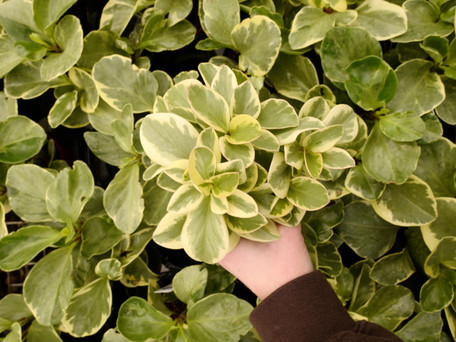
- Peperomia
- Zebra Plant (Haworthia subfasciata)
Bright light
- Cactus as long as pets don't get too close!
- Not to be confused with Euphorbia (e.g. pencil cactus) which are highly toxic
- Jasmine, but not Gardenia varieties
- Orchids
- Ponytail/Bottle Palm
- Some Succulents including: Burro’s Tail Sedum, Echeveria, Living Stones