
Harvesting, Serving, and Preserving Summer Herbs
Posted by Jessie Jacobson & Sara Berg on Jun 29th 2026
Harvesting, Serving & Preserving Summer Herbs
Ah, the sensations of Summer. Fresh produce from your very own garden or the farmers market can’t be beat, and fresh herbs can elevate any dish with ease. Growing an herb garden is the best way to enjoy herbs at their freshest, and with a little extra work you can enjoy them in the seasons to come by preserving them!
Harvesting
Harvest herbs before they've flowered, as once they have bloomed ("bolted"), their energy goes towards seed production rather than new, flavorful leaf production. Harvest in the late morning, before the heat of the day causes them to lose some of that delightful flavoring. Harvesting herbs when they still have dew on them can encourage mold. Use a sharp, clean kitchen shears or scissors to harvest herbs.
- Leafy, annual herbs can be cut back by about half and still have enough plant material left to keep growing. These include Basil, Parsley, Cilantro, and Lemon Balm to name a few.
- Stiff, woody herbs such as Rosemary, Thyme, or Lavender, can be cut back up to one third of the plant at a time. Strip leaves from the woody stem before using if you are eating the leaves. Leave the stems intact and bundle with kitchen twine for a quick and easy way to add flavor to a dish while it’s cooking. Just remove the whole bundle when done.
After harvest, rinse the herbs gently. Crushing the leaves releases oils, and we want to keep as much oil in the leaves as possible for optimal flavor.
Serving
Dress to impress by incorporating homegrown herbs into your recipe repertoire. Packed with flavor and full of nutrients, herbs are literally the spice of life. Here are some of the best herb-forward recipes from our friends at Fit Foodie Finds, a female-run, locally-founded, food and wellness resource!
Watermelon Salad
This refreshing watermelon salad recipe is made with feta cheese, sliced cucumbers, fresh basil, mint, and a few pine nuts. This salad is so vibrant with the combination of sweet, savory, and crunchy. Full recipe here!
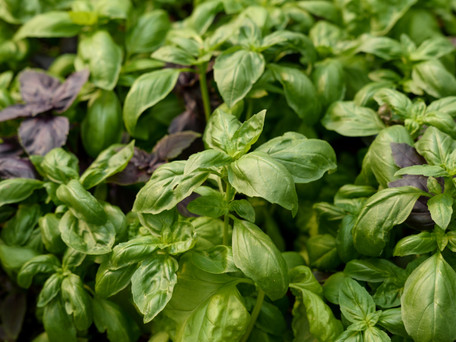
Eleonora (Sweet) Basil: Your go-to basil for summer! Its leaf shape and open habit make this variety more resistant to downy mildew. Leaves are slightly serrated and narrower than traditional Genovese types.
Mint: Cool and refreshing, this easy to grow plant has an abundance of uses. Some varieties are aggressive perennials in Zone 4. Try variegated peppermint for an added twist!
Avocado Cilantro Lime Dressing
A green sauce is always the best sauce, especially with fresh cilantro. Use this dressing for pasta salad, lettuce salad, chicken wing dippin’, and taco grippin’! Creamy, tangy, sweet, and fresh, this dressing is nice and thick because its base is Greek yogurt. Does that make this Greek Goddess or Green Goddess dressing? Full recipe here!
Santo is the variety of Cilantro that we grow at Tonkadale. We grow this variety specifically because it is a slow-to-bolt variety that is still fast growing, perfect for several successive harvests to be enjoyed longer into the Summer than other cilantro varieties. Let it go to seed and harvest as coriander.
Fruit-Infused Water
Grapefruit and rosemary are the perfect combination of tart and warm flavors. Make sure to harvest extra sprigs for garnish and flare. Use sparkling or flat water as your base - we won’t tell if the seltzer becomes hard! Full recipe here!
Arp: A bushy growing cultivar with upright, stiff stems and light-blue flowers. Aromatic, piney, and resinous, a bold addition and stands up to strong flavors, yet pairs well with milder ones. Frost-tolerant.
Prostrate: A vigorously growing, creeping cultivar with trailing stems and light-purple flowers. Delicate flowers are as tasty as the leaves. Pungent flavor with notes of pine, lemon, pepper, and evergreen. Frost tolerant.
Preserving
Drying & Dehydrating
If you choose to preserve herbs by drying, it should be done at a low heat over an extended time. This keeps the flavors in and makes them more concentrated, rather than baking the flavors out of the leaves.
Hang Dry: This is the traditional way to dry herbs - and herb bunches lend a little something special to the room where they are drying. Gather 6-10 stems of your herb, tie them together where they were snipped, and hang to dry. They should be hung in a well-ventilated area away from moisture and direct light. This process will take a week to a month depending on conditions and the herb variety chosen.
Appliance Dry: Use a dehydrator or the microwave to dry herbs for later use.
- Set your dehydrator to ~100°F. Keeping the temperature low prevents burning and the loss of flavor. This process generally takes 1-4 hours, but can take much longer if herbs are especially thick & juicy.
- Lay freshly-rinsed and patted dry herbs flat on a paper towel. Microwave on high power in 30 second bursts, checking frequently. Leaves will be crisp and flaky when dry.
Store fully dried herbs in air-tight containers and keep away from heat and sunlight to extend shelf life and keep herbs flavorful for longer.
Freezing: Not all herbs dry well. Soft, leafy herbs like basil often do better when frozen in bags or chopped and frozen in ice cubes, which can be made of water or oil. Any herb can be preserved in this way, not just the leafy ones.
If you would like assistance picking out the perfect herbs for your kitchen concoctions, feel free to stop in and ask! Otherwise, email us at hello@tonkadale.com - we're here to help!