
Growing Herbs for Tea
Posted by Jessie Jacobson on Feb 23rd 2026
Growing Herbs for Tea
Herbs are easy to grow and care for in the garden - and indoors! While most often used in cooking and flavoring food, there is a growing trend towards planting herbs solely for making tea. Herbs can be used for teas both fresh and dried.
Best Herbs for Tea
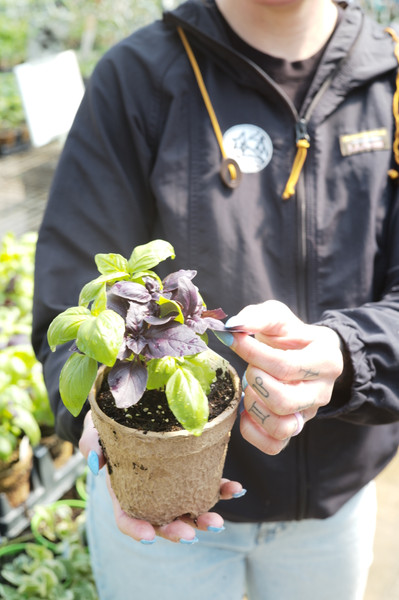
- Basil - Cinnamon, Holy, Genovese
- Sweet or peppery (depending on variety), refreshing, herbaceous. Pairs well with other ingredients.
- Butterfly Pea
- Mild, earthy, grassy. Brews blue but when lemon is added, turns pink/purple!
- Calendula
- Floral, earthy, mildly bitter.
- Chamomile
- A floral, grassy, slightly bitter flavor. For tea, the flowers rather than the foliage are used.
- Echinacea
- Earthy, floral, slightly sweet.
- Lavender
- Floral, aromatic, earthy, minty.
- Lemon Balm
- Citrusy, minty, and tart.
- Lemon Verbena
- Earthy, herby, and slightly citrusy.
- Mint - Common, Spearmint, Lemon Mint
- Refreshing, sweet, mild to strong (depending on variety).
- Nettle
- Earthy, grassy, savory.
It can be fun to curate a garden personal to you and your tastes, but if you'd prefer to take the thought out of it - try this Tea Garden Mix by Hudson Valley Seed Co!
Grow
Herbs can be easily grown in containers, raised beds, or in the garden. Herbs love full sun but will do just fine with 4-5 hours of direct sun. We recommend our house blend, Tonka Terra for growing herbs in containers and raised beds. Mix and match herbs in containers - about four 4” herbs will fit in a 12” pot. Water well throughout the summer, paying special attention to containers as they will dry out more quickly than raised beds and gardens. Fertilize at the time of planting and then after each large harvest with Espoma’s Garden Tone.
Harvest
- Be sure to use a sharp, clean kitchen shears or scissors.
- Harvest before plants have had a chance to flower. When doing so, harvest in the morning, before the heat of the day. This will ensure best flavor.
- Leafy, annual herbs can be cut back by about half and still have enough leaves left to keep growing.
- Harvest herbs with woody stems such as lavender by cutting back up to one third of the plant at a time. Strip leaves from woody stem if you plan to use them fresh.
- After harvest, wash gently with cold water and shake dry.
Prepare & Dry
Hang Dry: Gather herbs in small bunches and tie together with twine. Hang upside down in a warm, dry place with good air circulation and out of direct sunlight. Herbs will be dry in about a week.
Oven Dry: Pick leaves or flowers off the plant and dry by spreading them out in a single layer on a tray or baking sheet. Set oven to the lowest temperature possible (<180F) and if you're able, keep the oven door slightly cracked to allow moisture to escape. Check herbs every half hour for dryness, as size and type will affect dry time.
Store in jars in a dark pantry or cupboard until ready for use!
Brew
If you are using fresh herbs, use 1/4 cup per cup of water. Pour boiling water (212F) over herbs. Let steep for three to five minutes. Strain before serving.
If you are using dried herbs, use 1 teaspoon per cup of water using the same method as above.
For iced tea, brew at double strength.
Benefits
Herbal teas are not only tasty, but also offer an abundance of health benefits! These can include stress relief, digestion soothing, sleep aid, immunity boost, and so much more. Remember, not all bodies are the same. Best to start slow and see which herbs work for you when brewing tea.
Cheers!